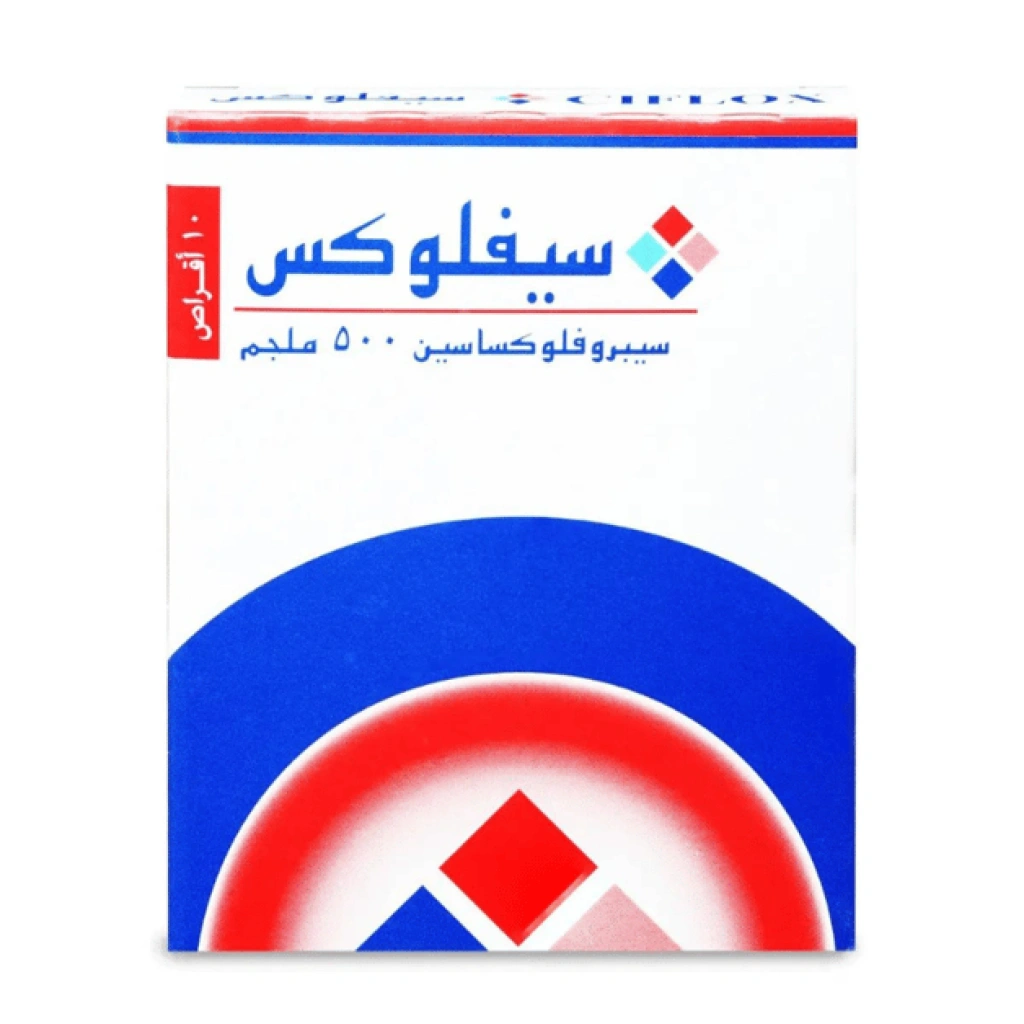
Ciflox 500 is used to treat bacterial infections affecting the ears, lungs, nose, urinary tract, skin, and bones. This medication is effective only for infections caused by bacteria and not viruses.
What is Ciflox 500?
It inhibits the action of a bacterial enzyme called DNA-gyrase, which is essential for bacterial growth and survival. This action kills or prevents further bacterial growth in the body.
What are the uses of Ciflox 500?
Community-Acquired Pneumonia (CAP): A lung infection acquired outside a hospital. CAP can be bacterial or viral; Ciflox is used to treat CAP caused by bacteria such as Haemophilus influenzae, Mycoplasma pneumoniae, or Streptococcus pneumoniae.
Bronchitis: Swelling of the bronchial tubes, the passages that carry air to and from the lungs. Common symptoms include coughing and shortness of breath. Ciflox tablets are used to treat mild to moderate bacterial bronchitis.
Otitis Media: An infection of the middle ear. Common symptoms include ear pain and fever. Ciflox tablets are used to treat mild to moderate otitis media.
Pyelonephritis (Kidney Infection): A condition where one or both kidneys swell due to a bacterial or viral infection. Symptoms usually include fever, frequent urination, and back pain. Ciflox is used to treat bacterial pyelonephritis.
Sinusitis: Commonly known as a sinus infection, it is the swelling of the nasal passages and surrounding cavities. Symptoms include nasal congestion, headache, and pain or pressure behind the eyes, nose, cheeks, or forehead. Ciflox is used to treat bacterial sinusitis.
Skin and Soft Tissue Infections: Bacterial infections of the skin and its supporting structures. Ciflox is used to treat mild to moderate uncomplicated skin infections caused by Staphylococcus aureus or Streptococcus pyogenes.
Urinary Tract Infection (UTI): An infection in any part of the urinary system, affecting the kidneys, bladder, or urethra. Symptoms may include an increased urge to urinate, pain during urination, blood in the urine, back pain, nausea, vomiting, and fever. Ciflox antibiotic is used to treat UTIs.
Osteomyelitis: An infection in the bones, which can be caused by bacteria or fungi. Symptoms usually include pain in the affected bone, fever, and chills. Ciflox antibiotic is used to treat osteomyelitis.
Pharyngitis and Tonsillitis: Infections that cause swelling and soreness in the throat and tonsils. Ciflox is used to treat pharyngitis, tonsillitis, or both.
How to use Ciflox 500?
Take the Ciflox tablet with or after food.
Do not take more or less than the prescribed dose.
Complete the full course of Ciflox 500 and do not stop using this medication without consulting your doctor.
Ciflox 500 may cause diarrhea.
Consult your doctor if you experience a severe worsening of your condition.
Do not give Ciflox 500 to other people even if their condition seems similar to yours.
Do not drive after taking Ciflox 500 if you experience dizziness.
Missed Dose: Try not to miss a dose. Take the missed dose as soon as you remember. If it is almost time for the next dose, skip the missed dose. Do not double the dose to compensate.
Overdose: Do not take more than the dose prescribed by the doctor. Contact your doctor if you suspect an overdose.
What are the warnings and precautions for Ciflox 500?
(Do not use Ciflox 500 without consulting a specialist doctor)
Do not use Ciflox in the following cases:
Allergy: Avoid taking Ciflox if you are allergic to it. Seek immediate medical attention if you notice symptoms of an allergic reaction such as rash, itching, severe dizziness, or difficulty breathing.
Liver Impairment: Ciflox is not recommended if you have a history of liver problems or jaundice due to the increased risk of worsening your condition.
Warnings:
Antibiotic Resistance: A condition where the antibiotic is no longer effective against bacteria. This can be avoided by following the dose and duration prescribed by your doctor. The entire course must be finished even if symptoms improve.
Driving: Ciflox is not known to affect your ability to drive; however, avoid driving if you feel dizzy.
Use in Children: It is preferred to treat children under 6 years old or weighing less than 25 kg using Ciflox oral suspension.
Mononucleosis: A viral infection that may cause sore throat, fever, fatigue, and rash. Ciflox is not recommended if you have mononucleosis as you may develop a skin rash 5-10 days after starting treatment.
Kidney Disease: Ciflox should be used with caution if you have pre-existing kidney problems due to the increased risk of side effects. Periodic monitoring of kidney function is recommended.
Colitis: Ciflox can kill beneficial bacteria in your gut, leading to diarrhea. Use with extreme caution if you have colitis.
Urine Sugar Test: Inform the lab of Ciflox use before testing, as it may give a false-positive result for glucose in the urine.
Drug Interactions: Ciflox may interact with other medications such as Doxycycline, Methotrexate, Warfarin, Ethinyl Estradiol, and live vaccines. Consult your doctor before use.
Pregnancy: Due to the lack of safety studies in pregnant women, use only if prescribed by a doctor.
Breastfeeding: Ciflox passes into breast milk and may cause diarrhea in nursing infants. Consult your doctor if you are breastfeeding.
How to store Ciflox 500?
Store in a dry place.
Keep in its original packaging.
Store at 25°C.
Keep out of reach of children.
Do not use after the expiration date stated on the box.
How long does Ciflox 500 take to take effect?
The effect of Ciflox tablets can be noticed within 1-2 hours after administration.
How long do the effects of Ciflox 500 last?
The effect of Ciflox tablets lasts for an average of 6-8 hours.