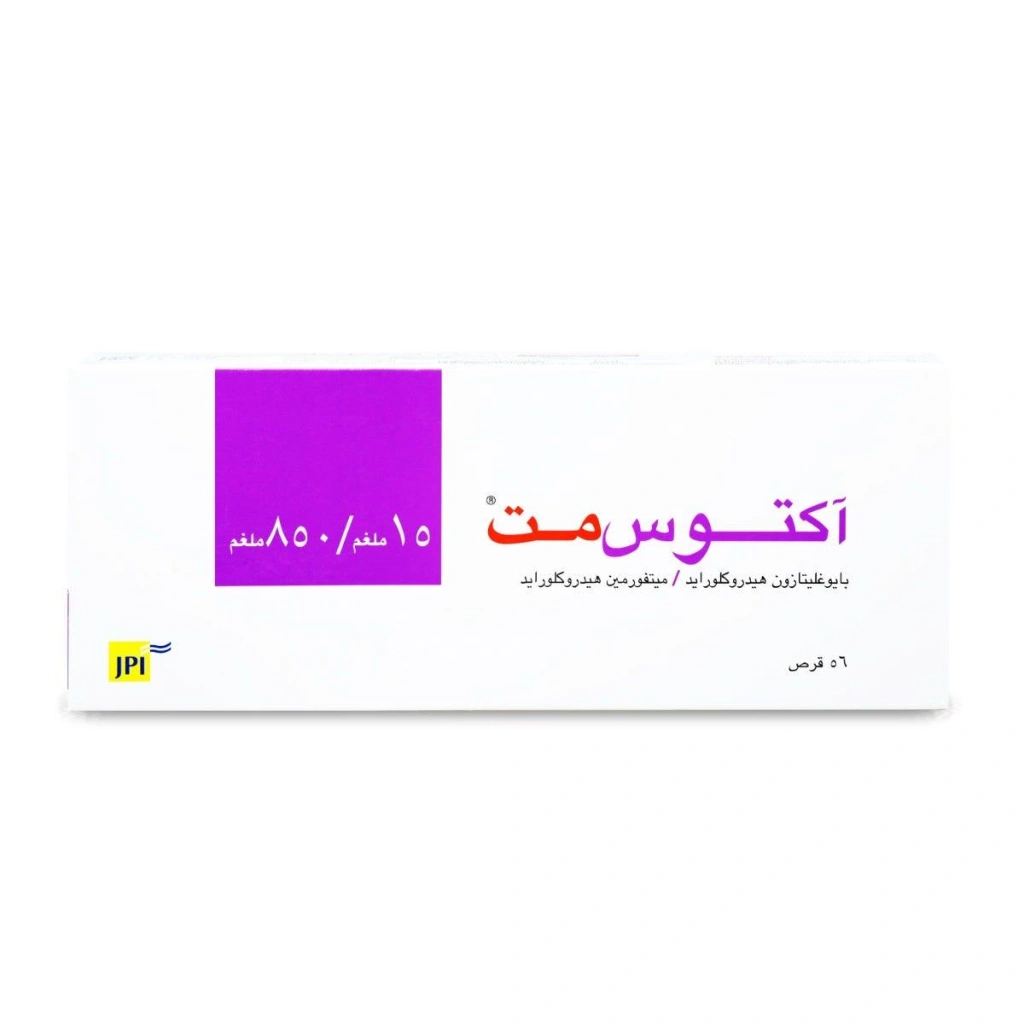
Pioglitazone Hydrochloride 15 mg / Metformin Hydrochloride 850 mg Tablets
What is Pioglitazone Hydrochloride/Metformin Hydrochloride and what is it used for:
Pioglitazone Hydrochloride is a medication belonging to a class of drugs known as "thiazolidinediones."
Metformin Hydrochloride is a medication belonging to a class of drugs known as "biguanides."
This combination of active ingredients is used to treat adult patients with Type 2 diabetes (high blood glucose levels due to insulin resistance) who are taking pioglitazone and metformin as separate tablets or have previously used pioglitazone or metformin but did not have good control over their blood sugar levels.
It is used as an adjunct to diet and exercise to help improve glycemic control.
Do not take Pioglitazone Hydrochloride/Metformin Hydrochloride:
- If you are allergic to pioglitazone hydrochloride, metformin hydrochloride, or any of the ingredients in this medicine. Tell your doctor about any allergies and signs you have.
- If you have been diagnosed with NYHA Class III or IV heart failure (advanced stages of heart failure, a disorder that causes the heart muscle to lose its ability to pump blood properly).
- If you suffer from acute or chronic metabolic acidosis (a type of acid-base disorder), including diabetic ketoacidosis, with or without coma (complete loss of consciousness).
- If you have severe kidney damage.
- If you have active liver disease or very high liver enzyme tests.
- If you are older than 80 years (unless kidney function is proven to tolerate the medication).
- If you are going to have an X-ray test involving the injection of dyes (the medication will be temporarily stopped).
Warnings and Precautions:
Talk to your doctor or pharmacist if you experience allergic reactions such as shortness of breath, skin rash, swelling of the face or neck, low blood pressure, and dizziness.
This medication may cause fluid retention which can worsen or lead to heart failure. The risk of fluid retention was found to be higher in patients using insulin with this medication and those with NYHA Class I and II congestive heart failure.
Make sure to talk to your doctor before starting this medication if you have heart problems.
Talk to your doctor if signs of heart failure appear while taking this medication, such as swelling of the feet, ankles, or abdomen, weight gain, fatigue upon exertion, difficulty breathing, and irregular heartbeat.
This medication may cause edema (swelling), which is dose-related. If this occurs, be sure to tell your doctor; they may reduce the dose if necessary.
This medication may be associated with liver problems that can be fatal. If your doctor suspects liver injury, they will ensure the medication is stopped immediately.
Your doctor may recommend liver blood tests if you have liver problems.
This medication may increase the risk of fractures in female patients.
This medication may cause an increased risk of bladder cancer, especially when used for a long period. Tell your doctor if you have or have had bladder cancer. You should not take this medication if you have bladder cancer.
This medication may cause hypoglycemia (low blood glucose levels) when administered with insulin or an insulin secretagogue.
High blood glucose levels may lead to macular edema (eye swelling). Regular eye exams are recommended.
Talk to your doctor before taking this medication if you have liver, kidney, or heart problems, Type 1 diabetes, or if you drink alcohol regularly.
Your doctor should perform blood tests including HbA1c before starting pioglitazone.
Talk to your doctor if you are a premenopausal woman, as this medication may increase ovulation, which could increase the chance of pregnancy.
This medication must be temporarily stopped if you are undergoing radiological tests involving intravenous iodinated contrast materials.
It is important to reduce body weight if necessary, follow a healthy diet, and exercise regularly to control Type 2 diabetes.
This medication can cause a rare but serious condition known as lactic acidosis (buildup of acid in the blood), which can be fatal. This is a medical emergency. Stop taking the medication and contact your doctor immediately if you experience symptoms such as feeling cold, weakness, slow or irregular heartbeat, unusual muscle pain, or stomach pain with vomiting.
Possible Side Effects:
Possible side effects include signs of an allergic reaction, signs of heart failure, signs of liver problems, edema, weight gain, fractures, bladder cancer, low blood sugar levels, macular edema, and lactic acidosis.
Other possible side effects include upper respiratory tract infection, sinusitis, headache, muscle pain, sore throat, laboratory abnormalities, diarrhea, nausea, stomach upset, and anemia.
Other Medicines and Pioglitazone Hydrochloride/Metformin Hydrochloride:
Tell your doctor or pharmacist if you are taking any other medicines, including Gemfibrozil (used for high triglycerides) or Rifampin (an antibiotic).
How to take Pioglitazone Hydrochloride/Metformin Hydrochloride:
- The efficacy and safety of this medication in children have not yet been established.
- Take the medication exactly as prescribed by your doctor.
- Take the tablet with food to avoid abdominal discomfort.
- Swallow the tablet whole with a full glass of water.
- If you are under stress (infection, accident, surgery), talk to your doctor immediately as they may need to adjust your dose.
- Your doctor should evaluate blood tests (kidney, liver, and blood cells) before starting and periodically during treatment.
- Avoid excessive alcohol consumption while taking this medication to prevent lactic acidosis.
How to store Pioglitazone Hydrochloride/Metformin Hydrochloride:
- Store at room temperature.
- Keep out of reach of children and pets.
- Do not use after the expiration date.
- Keep in the original packaging to protect from moisture and light.
- Do not use damaged pills.
Product Details:
Brand: Actos Met
Concentration: 15/850 mg
Quantity: 56 Tablets
Product Type: Tablets