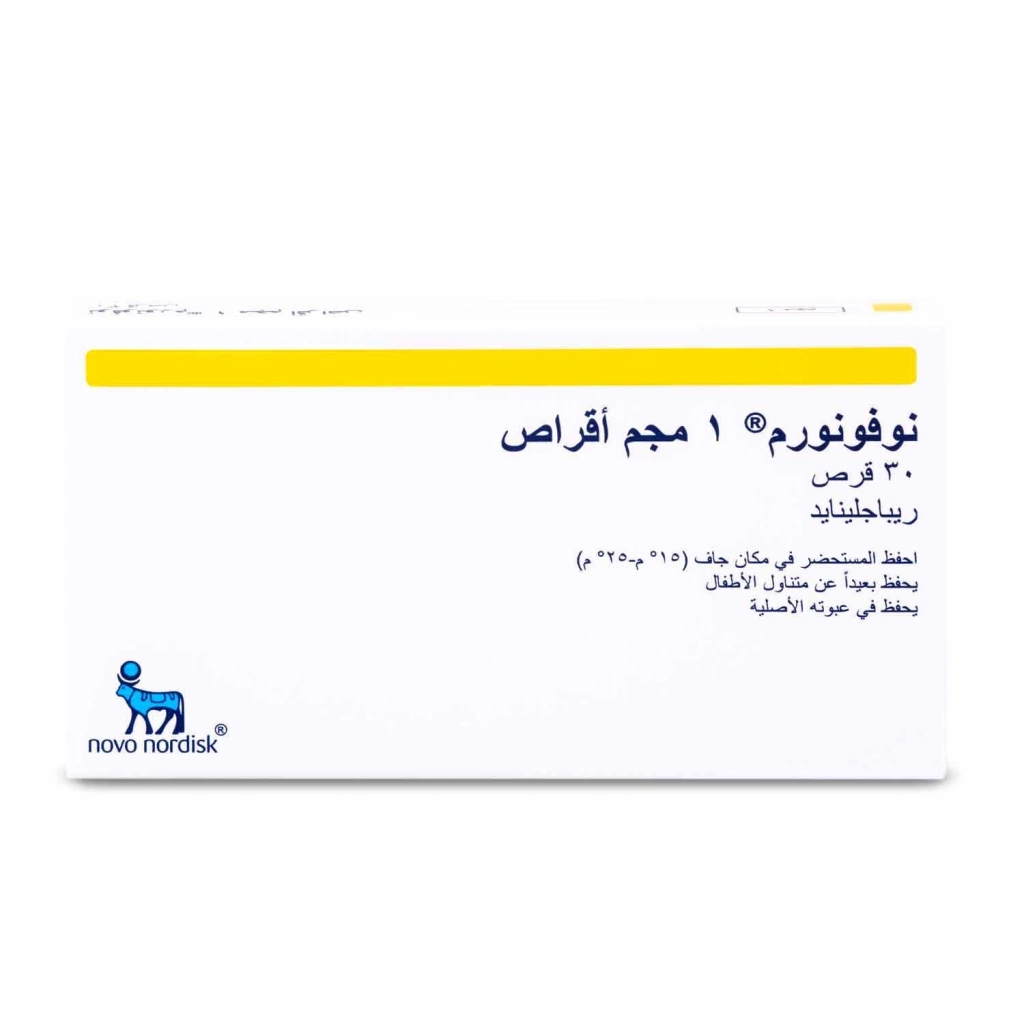
Repaglinide 1mg Tablets. What Repaglinide is used for:
Repaglinide is an oral anti-diabetic medication. It helps the pancreas produce more insulin, thereby lowering blood sugar (glucose) levels.
Do not take Repaglinide:
- If you are allergic to Repaglinide or any of the other ingredients in this medicine.
- If you have Type 1 diabetes.
- If the acid level in your body is increased (Diabetic Ketoacidosis).
- If you have severe liver disease.
- If you are taking Gemfibrozil (a medicine used to lower excessive fat levels in the blood).
Warnings and Precautions:
Talk to your doctor or pharmacist before taking Repaglinide:
- If you have liver problems. Repaglinide is not recommended for patients with moderate liver disease. Repaglinide should not be taken if you have severe liver disease.
- If you have kidney problems. Repaglinide should be taken with caution.
- If you are about to undergo major surgery or have recently suffered a serious illness.
- If you are under 18 or over 75 years of age. Repaglinide is not recommended.
Possible Side Effects:
- Hypoglycemia (low blood sugar).
- Hypoglycemic reactions are generally mild/moderate, but may sometimes progress to loss of consciousness or coma. If this happens, contact medical help immediately.
Allergy:
Symptoms such as swelling, difficulty breathing, rapid heartbeat, feeling dizzy, and sweating can be signs of an allergic reaction. Contact a doctor immediately.
Other Side Effects:
- Stomach pain
- Diarrhea
- Acute coronary syndrome (though it may not be due to the medication).
Other Medicines and Repaglinide:
If you are taking Gemfibrozil, you should not take Repaglinide.
Your body's response to Repaglinide may change if you are taking other medicines, especially:
- Monoamine Oxidase Inhibitors (MAOIs) (used to treat depression).
- Beta-blockers (used to treat high blood pressure or heart disease).
- ACE inhibitors (used to treat heart conditions).
- Salicylates (such as Aspirin).
- Octreotide (used to treat cancer).
- Non-steroidal anti-inflammatory drugs (NSAIDs) (a type of painkiller).
- Steroids (anabolic steroids and corticosteroids - used for anemia or inflammation).
- Oral contraceptives (birth control pills).
- Thiazides (diuretics or 'water pills').
- Danazol (used to treat breast cysts and endometriosis).
- Thyroid products (used to treat low thyroid hormone levels).
- Sympathomimetics (used to treat asthma).
- Clarithromycin, Trimethoprim, Rifampicin (antibiotics).
- Itraconazole, Ketoconazole (antifungal medicines).
- Gemfibrozil (used to treat high blood fats).
- Cyclosporine (used to suppress the immune system).
- Deferasirox (used to reduce chronic iron overload).
- Phenytoin, Carbamazepine, Phenobarbital (used to treat epilepsy).
- St. John's Wort (herbal medicine).
- Clopidogrel (prevents blood clots).
How to take Repaglinide:
- Always take this medicine exactly as your doctor has told you. Consult your doctor if you are unsure.
- Your doctor will determine your dose.
- The usual starting dose is 0.5 mg before each main meal.
- Swallow the tablets with a glass of water immediately before or up to 30 minutes before each main meal.
- The dose can be adjusted by your doctor up to 4 mg to be taken immediately before or up to 30 minutes before each main meal.
- The maximum recommended daily dose is 16 mg.
- Do not take more Repaglinide than recommended by your doctor.
How to store Repaglinide:
- Keep this medicine out of the sight and reach of children.
- Do not use this medicine after the expiry date stated on the outer carton, the tablet pack, and the blister after 'EXP'.
- The expiry date refers to the last day of that month.
- This medicinal product does not require any special storage precautions.
Product Details:
Brand: NovoNorm
Concentration: 1 mg
Quantity: 30 Tablets