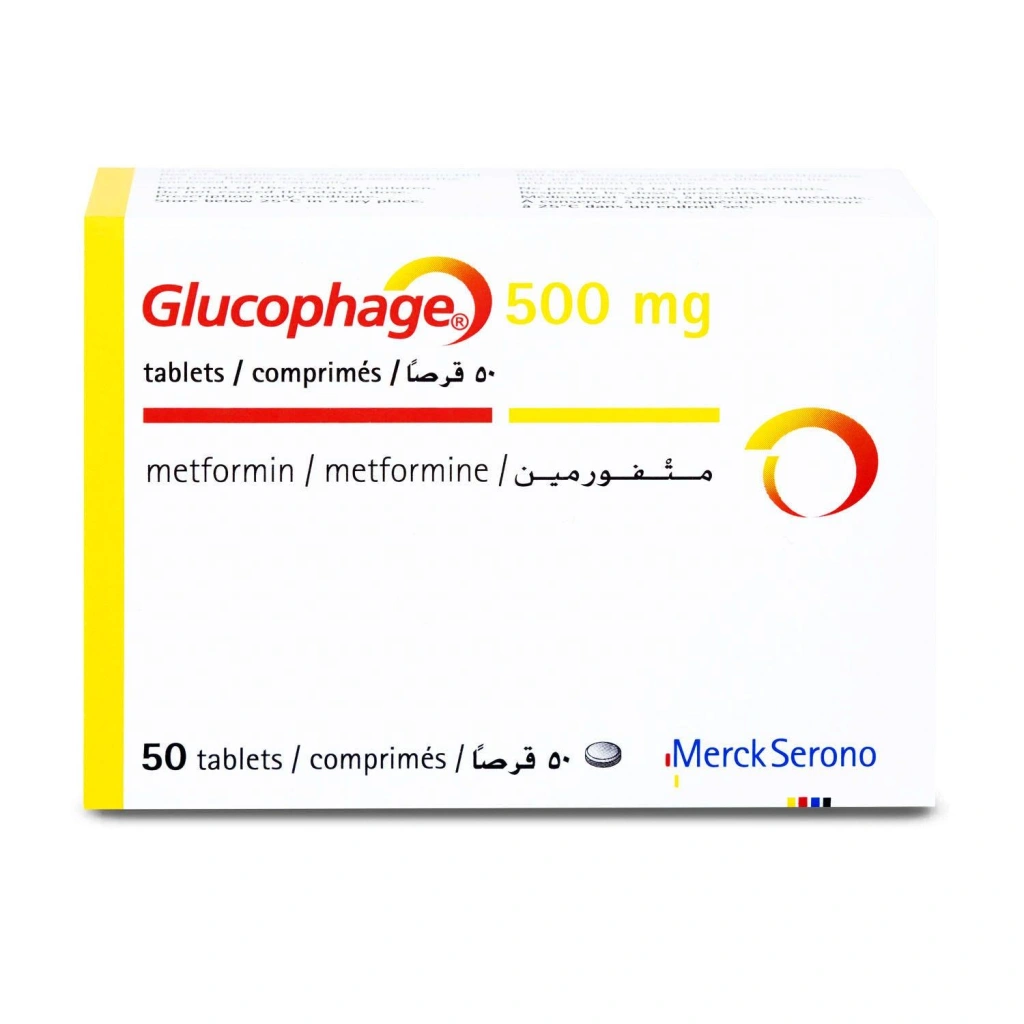
What is Metformin Hydrochloride and what is it used for:
Metformin Hydrochloride is used to treat patients with type 2 diabetes (also called non-insulin-dependent diabetes) when diet and exercise alone are not sufficient to control blood glucose levels.
It is particularly used in overweight patients.
Do not take Metformin Hydrochloride:
- If you are allergic to Metformin Hydrochloride or any of the other ingredients of this medicine.
- If you have liver problems.
- If you have severely reduced kidney function.
- If you have uncontrolled diabetes, such as severe hyperglycemia, nausea, vomiting, diarrhea, or rapid weight loss.
- If you have a severe infection, such as an infection affecting your lungs, bronchial tubes, or kidneys.
- If you are being treated for acute heart failure or have recently had a heart attack, have severe circulatory problems, or breathing difficulties.
- If you drink a lot of alcohol.
Warnings and Precautions:
Risk of Lactic Acidosis:
Metformin Hydrochloride may cause a very rare but very serious side effect called lactic acidosis, especially if your kidneys are not working properly, or if you have uncontrolled diabetes, serious infections, liver problems, or dehydration.
Stop taking Metformin Hydrochloride and contact your doctor or the nearest hospital immediately if you experience symptoms of lactic acidosis, as this condition may lead to a coma.
Symptoms of Lactic Acidosis:
- Vomiting
- Stomach ache
- Muscle cramps
- A general feeling of discomfort with severe tiredness
- Difficulty breathing
- Reduced body temperature and heartbeat
Risk of Hypoglycemia:
If you take Metformin Hydrochloride together with other medicines to treat diabetes, it may cause hypoglycemia (low blood sugar).
If you experience symptoms of hypoglycemia such as weakness, dizziness, increased sweating, fast heartbeat, vision disorders, or difficulty concentrating, eating or drinking something containing sugar usually helps.
Possible Side Effects of Metformin Hydrochloride:
Like all medicines, this medicine can cause side effects, although not everybody gets them.
Sometimes they are serious, but most of the time they are not.
You may need medical treatment if you experience certain side effects.
Tell your doctor if you notice any of the following and they worry you:
- Lactic acidosis which can lead to a coma
- Digestive problems such as nausea, vomiting, diarrhea, abdominal pain, and loss of appetite
- Changes in taste
Other Medicines and Metformin Hydrochloride:
Tell your doctor if you are using, have recently used, or might use any other medicines:
- Diuretics (medicines that increase urine production)
- Medicines used to treat pain and inflammation
- Certain medicines for the treatment of high blood pressure
- Beta-2 agonists such as salbutamol (to treat asthma)
- Corticosteroids
- Other medicines used to treat diabetes
How to take Metformin Hydrochloride:
Recommended Dosage:
Children aged 10 years and over and adolescents:
- Usually start with 500 mg or 850 mg of Metformin Hydrochloride once daily.
- The maximum daily dose is 2000 mg taken as 2 or 3 divided doses.
Adults:
- Usually start with 500 mg or 850 mg of Metformin Hydrochloride two or three times daily.
- The maximum daily dose is 3000 mg taken as 3 divided doses.
How to store Metformin Hydrochloride:
- Keep out of reach of children.
- Do not use the medicine after the expiry date.
Product Details:
Brand: Glucophage
Concentration: 500 mg
Quantity: 50 Tablets
Product Type: Tablets