A recent medical prescription is required to dispense this medication.
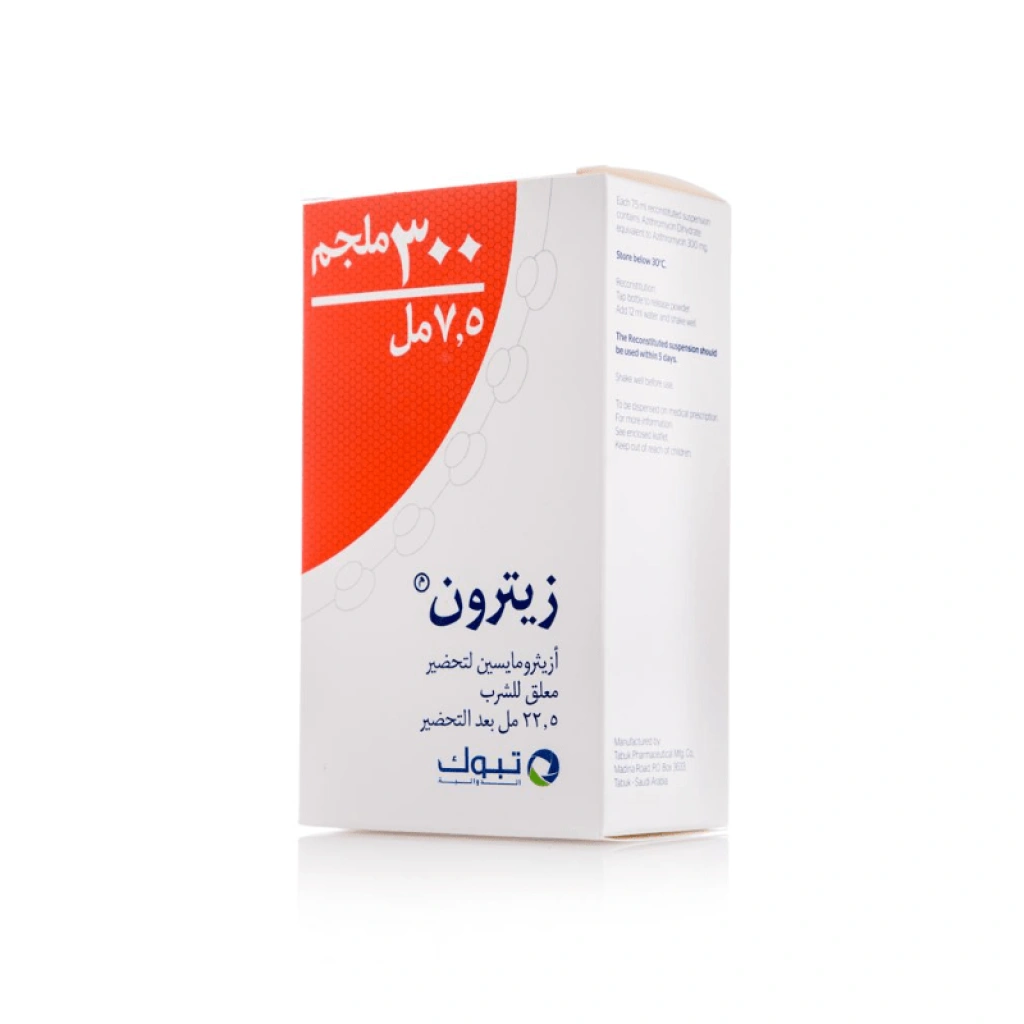
Zitron 300 mg is a brand name for a medication containing the active ingredient Azithromycin at a dose of 300 mg. Azithromycin is a macrolide antibiotic used to treat a variety of bacterial infections, such as respiratory tract infections, ear infections, skin infections, and certain sexually transmitted diseases.
Scientific Name:
Azithromycin.
Pharmacological Classification:
Antibiotics.
Pack Size:
22.5 ml after reconstitution.
What are the uses of Zitron 300 mg (Azithromycin)?
It is used to treat certain bacterial infections, including:
- Chest, throat, or nose infections such as: bronchitis, pneumonia, tonsillitis, pharyngitis, and sinusitis.
- Ear infections.
- Skin and soft tissue infections, for example: abscesses or boils.
- Sexually transmitted diseases caused by certain types of bacteria.
How does Azithromycin work?
- Azithromycin belongs to a class of drugs known as macrolide antibiotics.
- This medication works by killing bacteria or inhibiting their growth.
- Azithromycin prevents bacterial replication by interfering with the process of protein synthesis that bacteria need to grow and survive.
What is the dosage and method of use for Zitron 300 mg?
- Always take this medication exactly as your doctor has told you. If you are unsure, consult your doctor or pharmacist.
- The medication should be measured using a multi-dose spoon or an oral dosing syringe, as directed by the pharmacist.
- Azithromycin suspension is typically used for children under 7 years of age (less than 45 kg). It can also be used for adults and older children who find it difficult to swallow capsules.
- The absorption of Azithromycin suspension is not affected by food or drink.
Recommended Dosages:
- Children under 45 kg: 10 mg per kilogram of body weight, given as a single daily dose for 3 days.
- Adults and children over 45 kg: 500 mg as a single daily dose for 3 days.
- In some special cases, dosages may change, so always follow the instructions of your doctor or pharmacist.
- If you take an overdose, speak to a doctor or go to the hospital immediately.
- If you forget a dose, take it as soon as you remember unless it is time for the next dose. Do not take a double dose to make up for a forgotten one.
What is the relationship between Azithromycin and COVID-19?
- Treating a viral infection is not limited to eliminating the viruses causing the inflammation; it also includes managing harmful effects resulting from bacterial infections that may follow the viral infection.
- Azithromycin is used for this purpose as part of the COVID-19 treatment protocol, due to its anti-inflammatory properties against bacterial infections that may accompany a Corona infection.
- Consequently, hospitals included Azithromycin in the COVID treatment protocol; although it does not directly eliminate the virus, it helps manage side effects resulting from the infection.
What are the side effects of using Zitron 300 mg?
It is not common, but some effects may appear, including:
- Diarrhea.
- Ulceration, irritation, or itching of the skin.
- Cracked and dry skin.
- Fever.
- Swelling.
- Stomach pain.
- Blood in the stool.
- Body aches.
- Chest pain.
- Congestion.
- Cough.
- Dizziness.
What precautions and warnings should be observed when using Zitron 300 mg?
Azithromycin should be used with caution and under medical supervision in the following cases:
- Previous liver disorders: Azithromycin can cause liver function disorders in some patients, including hepatitis, jaundice, hepatic necrosis, and liver failure, which in some cases have led to death. If any signs or symptoms of liver disorders are noticed, treatment must be stopped immediately.
- Long QT interval.
- History of Torsade de Pointes: Using Azithromycin in this case increases the risk of QT prolongation.
- Irregular heartbeat.
- Heart failure.
- Proarrhythmic conditions: Such as those resulting from hypokalemia or hypomagnesemia, and in patients receiving certain anti-arrhythmic drugs like Quinidine and Amiodarone.
Azithromycin use may cause other health conditions, including:
- Infantile Hypertrophic Pyloric Stenosis: A condition of gastric outlet obstruction resulting from the enlargement of the muscle connecting the stomach and intestines. The infant must be monitored during treatment; if persistent vomiting or discomfort is observed, consult a doctor immediately.
- Clostridium Difficile Associated Diarrhea (CDAD): This can be severe due to fatal colitis. If diagnosed or suspected, the antibiotic must be stopped, and the body must be replenished with necessary fluids, salts, and electrolytes, in addition to using an antibiotic specifically for C. difficile.
What are the contraindications for using Azithromycin?
- Hypersensitivity to any of the drug's components.
- Liver disorders.
- Myasthenia Gravis: Azithromycin can exacerbate the symptoms of this condition.
- Concurrent use with drugs that cause QT prolongation: Such as antipsychotics, especially Pimozide, as concurrent use increases the risk of potentially fatal heart rhythm disorders.
What are the drug interactions for Zitron 300 mg?
- Concurrent use of Azithromycin with Pimozide (an antipsychotic) is prohibited, as it reduces the metabolism of Pimozide, increasing its blood levels and the risk of serious side effects, most notably QT prolongation.
- Avoid using the BCG vaccine and Cholera vaccine during the same period as Azithromycin, as it reduces the effectiveness of the BCG vaccine. It is recommended to wait until the antibiotic treatment is finished before vaccination. For the Cholera vaccine, wait 14 days after the last dose of Azithromycin.
- It is advised not to use Azithromycin concurrently with:
- Certain blood-thinning medications.
- Drugs that increase the risk of QT prolongation.
How to store Zitron 300 mg?
- Keep in the original packaging to ensure safety.
- Store at an appropriate temperature, avoiding moisture.
- Do not refrigerate.
- Do not consume the product after the expiration date printed on the pack.
In conclusion, Zitron 300 mg is an effective option for treating a variety of bacterial infections thanks to its active ingredient, Azithromycin. However, it is essential to use it with caution and under medical supervision, especially in cases involving other health factors or concurrent medications. Our final reminder is to adhere to the instructions of your doctor and pharmacist to ensure treatment efficacy and minimize side effect risks.